Pad Train Your Pup: How-To & Tips
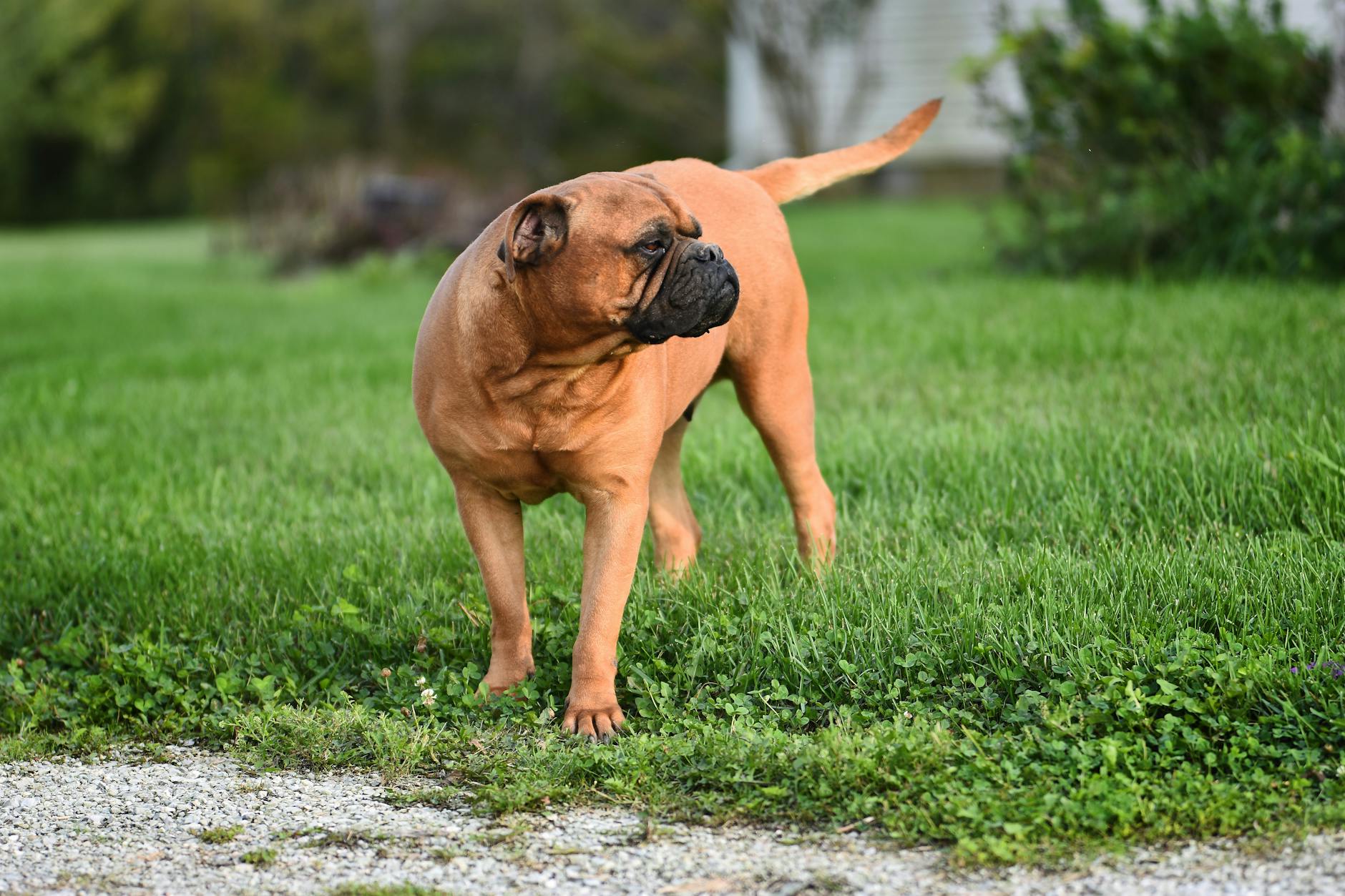
Housebreaking a puppy is a necessary part of pet ownership, but it can often be challenging and messy. Pad training can be an effective solution, especially for those who live in apartments or are unable to take their dogs outside frequently. Here’s your complete guide to pad training your pup with ease, ensuring a clean home and a happy, well-trained pet.
Understanding Pad Training
Pad training involves teaching your puppy to go to the bathroom on a specific pad designed for this purpose. These pads are typically made of absorbent materials with a waterproof backing to protect your floors.
Why Choose Pad Training?
- Convenience: Ideal for owners who can't easily take their dog outside.
- Weather: Useful for bad weather conditions when a dog cannot go outside.
- Health: Beneficial for puppies who haven't completed vaccinations and senior dogs with incontinence issues.
The Basics of Pad Training
Pad training a puppy requires patience, consistency, and positive reinforcement. Follow these steps to effectively pad train your pup.
Step 1: Choose the Right Pad
- Select a pad size appropriate for your puppy's breed and size.
- Opt for pads with attractant scents to encourage your puppy to use them.
- Consider reusable options if you're environmentally conscious.
Step 2: Pick the Perfect Spot
- Find a quiet, accessible area away from your puppy’s bed and food.
- The spot should be consistent to avoid confusion.
- Make sure the area is easy to clean in case of misses.
Step 3: Introduce the Pad
- Allow your puppy to sniff the pad and get familiar with it.
- Place your puppy on the pad regularly, especially after eating, playing, or waking up.
- Use a consistent command like "go potty" to create an association.
Step 4: Reward Good Behavior
- Praise and treat your puppy immediately after they use the pad successfully.
- Do not scold for accidents; instead, encourage them to use the pad next time.
Step 5: Implement a Schedule
- Maintain a regular feeding schedule to predict potty times.
- Watch for signs your pup needs to go, such as circling or sniffing.
- Gradually increase the time between potty breaks as your puppy learns to hold it.
Step 6: Addressing Accidents
- Clean up accidents promptly with an enzymatic cleaner to remove odors.
- Never punish your puppy for accidents; it may lead to fear and hiding when they need to go.
Step 7: Phasing Out the Pad
- Gradually move the pad closer to the door if you plan to transition to outdoor potty breaks.
- Slowly increase the size of the area without a pad until it is removed completely.
Additional Tips for Success
- Supervision is Key: Keep an eye on your puppy to prevent accidents and to guide them to the pad when necessary.
- Confine When Needed: Use a puppy pen or crate when you can't supervise your pup to prevent accidents in the house.
- Be Patient: Remember that puppies have small bladders and need time to learn.
Conclusion
Pad training your puppy can establish good habits and keep your home clean. With consistent training, patience, and positive reinforcement, your pup will be using their pad like a pro in no time. Start now and enjoy the rewards of a well-trained furry companion.
Remember, every puppy is unique, so adapt these steps and tips to fit your pup’s personality and needs. With diligent effort and love, you and your puppy will master pad training together.